Blog
Travel photography transforms fleeting moments into lasting memories, yet capturing truly compelling images requires more than simply pointing your camera at iconic landmarks. Whether you’re photographing Toronto’s glittering skyline at dusk or documenting the delicate cherry blossoms at High Park, understanding the interplay between technical skill, planning, and ethical awareness separates snapshots from stunning visual narratives.
This comprehensive resource explores the foundational elements that elevate travel photography from casual documentation to intentional artistry. From mastering light quality in urban environments to navigating crowds during peak seasons, you’ll discover practical approaches that respect both your creative vision and the communities you photograph. These principles apply whether you’re exploring your own city or venturing to distant destinations.
The following sections break down the essential skills and considerations every travel photographer should understand, offering actionable insights that build confidence behind the lens while fostering responsible photographic practices.
Mastering Light and Composition Fundamentals
Light serves as the primary medium of photography, yet many travelers underestimate how dramatically it varies between environments and times of day. Understanding these variations transforms ordinary scenes into extraordinary images.
Understanding Urban Light Quality
Cities present unique lighting challenges that differ significantly from natural landscapes. The concrete and glass architecture in downtown Toronto creates harsh reflections during midday, while the same surfaces generate warm, diffused light during the golden hour. Buildings act as massive reflectors, bouncing light into shadowed areas that would remain dark in open countryside.
Overcast conditions, frequent in Toronto’s climate, provide surprisingly advantageous lighting for urban photography. Cloud cover functions as a natural softbox, eliminating harsh shadows and producing even, flattering illumination ideal for capturing architectural details and street scenes. This soft light reveals texture and color saturation that brilliant sunshine often washes out.
Avoiding Common Composition Pitfalls
Composition errors typically stem from rushing rather than observing. The most frequent mistake involves placing the subject dead-center in the frame, creating static, unengaging images. The rule of thirds provides a reliable framework: imagine your frame divided into nine equal sections, then position key elements along these lines or at their intersections.
Another common pitfall involves neglecting the background. That stunning portrait of a street performer loses impact when a garbage bin appears to sprout from their head. Before pressing the shutter, scan the entire frame systematically, checking all four edges and corners for distracting elements. Moving just a few steps left, right, or changing your elevation can eliminate these distractions entirely.
Camera Settings for Different Scenarios
Technical mastery empowers creative expression rather than constraining it. Understanding how aperture, shutter speed, and ISO interact allows you to respond confidently to changing conditions without missing decisive moments.
Night Photography Optimization
Capturing Toronto’s illuminated cityscape—whether the CN Tower’s colored lights or the Distillery District’s ambient glow—requires balancing three variables. Start with a sturdy tripod, essential for the longer exposures night scenes demand. Set your ISO as low as possible (typically 100-400) to minimize digital noise and maintain image clarity.
Your aperture choice depends on your creative intent. For sharp details throughout the frame, including foreground elements and distant buildings, use f/8 to f/11. This narrower aperture increases depth of field while creating attractive starbursts around point light sources like streetlamps. Shutter speed becomes your final adjustment: let the camera’s meter guide you, then review your histogram to ensure you’re not clipping highlights in bright signs or losing shadow detail.
The blue hour—the period just after sunset when residual daylight mingles with artificial lights—offers particularly compelling opportunities. During this brief window, the sky retains rich color rather than appearing black, creating natural contrast with illuminated buildings. In Toronto, this timing varies seasonally, so arrive early and monitor the changing light quality.
Planning Your Shots: Locations and Access
Exceptional travel photography rarely results from chance encounters alone. Strategic planning increases your likelihood of being in the right place at the optimal time with appropriate access permissions.
Scouting Vantage Points
Perspective dramatically alters how viewers experience familiar landmarks. The CN Tower photographed from ground level emphasizes its towering height, while capturing it from Toronto Islands provides context within the broader skyline. Elevated vantage points—parking structures, hillsides, or observation decks—reveal patterns and relationships invisible at street level.
Effective scouting involves visiting potential locations at different times. That charming alleyway bathed in warm afternoon light may fall into deep shadow during morning hours. Note the sun’s position and how it interacts with your chosen subject throughout the day. Mobile applications tracking solar angles can predict lighting conditions before you invest time traveling to remote locations.
Transit and Accessibility Considerations
Toronto’s TTC network provides photographers practical access to diverse neighborhoods, from the beaches in the east to High Park in the west. Planning your route around public transit reduces stress associated with parking while allowing you to focus on observation rather than navigation. The subway system connects major photographic destinations efficiently, though buses often pass through neighborhoods offering authentic street photography opportunities.
Accessibility extends beyond physical mobility. Many locations offer ramped entrances, elevators to observation points, and designated accessible viewing areas. Researching these options beforehand ensures all photographers can capture desired perspectives regardless of physical abilities. Organizations managing public spaces increasingly provide detailed accessibility information on their websites.
Legal Considerations for Drone Photography
Aerial perspectives reveal compelling viewpoints impossible from ground level, but drone operation requires understanding current regulations. In Canada, Transport Canada mandates that recreational drone pilots flying drones weighing 250 grams or more must register their aircraft and obtain a basic pilot certificate. This involves passing an online examination demonstrating knowledge of safety procedures and airspace restrictions.
Toronto implements additional restrictions beyond federal requirements. You cannot operate drones in most city parks without special permission, and controlled airspace surrounding Billy Bishop Airport and Pearson International Airport prohibits drone flights without advanced certification and authorization. Before launching, consult current regulations and respect posted restrictions—ignorance provides no legal protection.
Working with Crowds and Timing Your Visit
Popular destinations attract crowds that complicate photography, yet strategic timing and techniques allow you to capture scenes with minimal interference. The Toronto Sign at Nathan Phillips Square illustrates this challenge perfectly—constantly surrounded by tourists during daylight hours, yet nearly deserted at dawn.
Early morning visits consistently yield the least crowded conditions at popular sites. Most tourists sleep in during vacation, creating a brief window between sunrise and mid-morning when iconic locations stand relatively empty. This timing also coincides with soft, directional light ideal for photography.
Seasonal patterns significantly impact crowd density. Cherry blossom season at High Park draws massive crowds during the brief bloom period, while the same location remains peaceful during winter months. Understanding these cycles allows you to either avoid peak periods or prepare specifically for them with appropriate techniques like long exposures that blur moving people into ghostly traces.
When crowds prove unavoidable, adjust your approach rather than fighting circumstances. Focus on details rather than wide establishing shots—a close-up of autumn leaves reveals beauty without requiring empty backgrounds. Alternatively, incorporate people intentionally, using them to convey scale and energy rather than treating them as obstacles.
Photography Ethics and Responsible Practice
Technical skill without ethical awareness produces problematic images that exploit subjects or disrespect communities. Responsible travel photography balances your creative goals against the dignity and privacy of people you encounter.
Before photographing individuals, particularly in close proximity, requesting permission demonstrates basic respect. A smile and gesture toward your camera often suffices when language barriers exist. Some people will decline—accept their refusal gracefully rather than capturing images covertly. Street photography in public spaces involves different considerations than intimate portraits, but the underlying principle remains: treat subjects as you wish to be treated.
Cultural sensitivity extends to religious sites, ceremonies, and private moments. Photography may be restricted or prohibited entirely in certain spaces. Observe posted signage, and when uncertain, ask permission from appropriate authorities. Your desire for a photograph never supersedes the sanctity of these environments or the comfort of worshippers and participants.
Environmental responsibility matters equally. Never damage vegetation, disturb wildlife, or leave trash pursuing a particular shot. Those Instagram-worthy fields of flowers suffer real harm when photographers trample plants creating paths to ideal vantage points. The best travel photography preserves the integrity of places for future visitors rather than degrading them.
Capturing Seasonal and Natural Phenomena
Nature follows reliable cycles that create spectacular but fleeting photographic opportunities. Understanding these patterns allows you to anticipate and prepare for seasonal highlights throughout Toronto’s diverse green spaces.
The cherry blossom bloom cycle at High Park typically occurs over a narrow two-week window in late spring, though exact timing varies with temperature patterns. Trees progress from tight buds through peak bloom to petal fall rapidly, with optimal photography occurring during the brief full-bloom stage. Monitoring official bloom updates helps you time your visit precisely.
Fall foliage follows a more extended but equally predictable progression. Colors typically peak in Toronto’s ravine system and parks during mid-October, though this timing shifts slightly earlier in northern regions and later near the lakeshore. The microclimate variations within the city mean you can often find peak colors across several weeks by moving between locations.
Winter presents unique opportunities often overlooked by photographers. Fresh snow transforms familiar landscapes, simplifying compositions and creating high-contrast scenes. The period immediately following snowfall, before footprints and plowing disturb pristine surfaces, offers the cleanest conditions. Frozen waterfalls, ice formations along the lakeshore, and frost-covered trees provide subjects impossible during warmer months.
This exploration of travel photography fundamentals provides the foundation for developing your unique visual voice. The technical skills, planning strategies, and ethical considerations discussed here work together, supporting each other to create meaningful images that honor both your creative vision and the places you document. As you practice these principles, you’ll discover that the most rewarding travel photography emerges not from equipment or exotic locations, but from patient observation, respectful engagement, and genuine curiosity about the world around you.
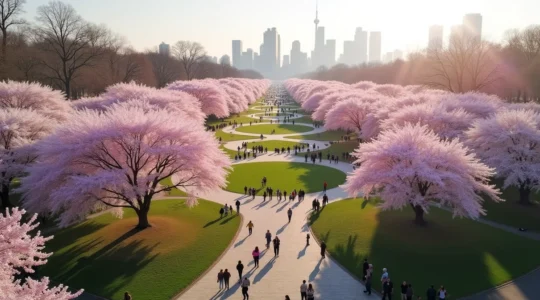
High Park Cherry Blossoms: How to Navigate the Parking Ban During Bloom Season?
In summary: Vehicle access to High Park is completely restricted during peak bloom; do not attempt to drive into the park. The only exception is for TTC Wheel-Trans vehicles, which must be booked in advance for accessible access. Your best…
Read more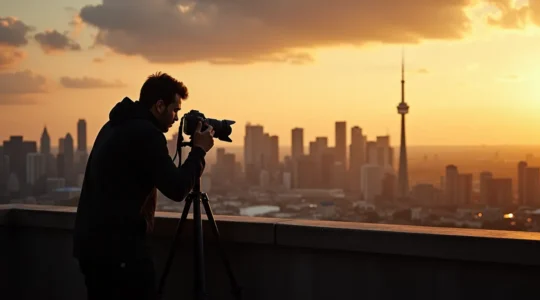
Photographing Toronto: A Strategic Guide to Capturing Iconic Spots Without Crowds
In summary: Successful crowd-free Toronto photography relies on technical strategy, not just luck or early mornings. Mastering urban light physics, like how skyscrapers manipulate the golden hour, is more effective than just timing. Advanced techniques like image stacking can digitally…
Read more