Daily Life
Settling into daily life in Toronto means navigating a unique landscape of housing options, cultural diversity, and evolving work patterns. Whether you’re drawn to the shimmering views of waterfront condos, the architectural charm of heritage homes, the vibrant tapestry of cultural neighborhoods, or the flexibility of remote work from cozy cafes, each choice shapes your experience in Canada’s largest city. Understanding these fundamental aspects of Toronto living empowers you to make informed decisions that align with your lifestyle, budget, and long-term goals.
This comprehensive resource explores the essential elements that define daily life in Toronto. From the practical considerations of property selection and neighborhood fit to the nuances of working productively outside traditional office spaces, you’ll gain the foundational knowledge needed to thrive in this dynamic urban environment. Let’s break down each major aspect of Toronto daily life to help you navigate your options with confidence.
Living in Waterfront Condos: Opportunities and Considerations
Toronto’s waterfront condos represent some of the city’s most desirable real estate, offering stunning lake views and proximity to recreational spaces. However, these properties come with specific challenges that potential buyers and renters must understand before committing.
Evaluating Weather Impact and Exposure
Living beside Lake Ontario means confronting unique weather patterns that don’t affect inland properties. Winter winds can be significantly stronger at the waterfront, potentially increasing heating costs by 15-20% compared to similar units just a few blocks inland. The lake effect also creates microclimates—south-facing units receive abundant natural light but can overheat in summer, while north-facing units stay cooler but may feel dark during shorter winter days.
When choosing your unit’s exposure, consider how you’ll use the space throughout the year. East-facing units capture beautiful sunrise views and morning light, ideal for early risers, while west-facing units enjoy spectacular sunsets but can experience late-day heat gain. Understanding these patterns helps you select an exposure that matches your daily rhythm and comfort preferences.
Inspection Process and Quality Concerns
Waterfront properties require particularly thorough inspections due to moisture exposure and unique structural demands. Before purchasing, you should examine:
- Window and balcony seals for signs of water infiltration or salt air corrosion
- HVAC systems and their capacity to handle temperature extremes
- Building envelope reports from recent years to identify maintenance issues
- Parking garage conditions, as waterfront garages often face flooding risks
- Reserve fund adequacy for major repairs typical in waterfront buildings
Hiring an inspector experienced with waterfront properties in Toronto is essential, as they’ll recognize red flags that generalist inspectors might miss.
Navigating Noise and Renovation Restrictions
Waterfront living often means proximity to entertainment districts, marinas, and event spaces. The sound of summer concerts at nearby venues or year-round ferry horns can be charming or disruptive depending on your tolerance and unit location. Visit potential properties at different times and days to assess noise levels accurately.
Condo boards in waterfront buildings frequently impose strict renovation rules to maintain building integrity and aesthetics. Some boards restrict flooring choices to minimize sound transmission, limit structural modifications, or require specific contractors for work involving exterior elements. Review the corporation’s declaration and rules thoroughly, and consider requesting approval-in-principle for any planned renovations before purchasing.
Heritage Home Ownership in Toronto: Regulations and Realities
Toronto’s heritage homes offer architectural character and neighborhood prestige, but ownership requires navigating complex regulations and accepting higher maintenance responsibilities. Understanding the designation system and associated costs helps you determine whether heritage ownership aligns with your resources and patience.
Understanding Designation Levels and Implications
Toronto uses three main heritage designation levels, each with different restrictions. Properties listed on the City’s Heritage Register face minimal restrictions but receive recognition. Those designated under Part IV of the Ontario Heritage Act face significant controls over exterior modifications. Properties within Heritage Conservation Districts (Part V designation) must conform to district guidelines that can affect everything from paint colors to landscaping choices.
The designation level directly impacts your autonomy as an owner. A Part IV designated home might require City approval to replace windows, even if they’re failing, while HCD properties might mandate specific architectural styles for additions or renovations.
Permit Approvals and Timeline Management
Securing permits for heritage properties follows a different process than standard residential approvals. You’ll typically need to:
- Submit detailed plans to the heritage planning department showing proposed changes
- Wait for staff review and potentially present to the Toronto Preservation Board
- Receive a heritage permit before applying for standard building permits
- Work with contractors experienced in heritage-compliant construction methods
This process can add two to six months to project timelines compared to non-heritage properties. Budget extra time and maintain flexibility in your renovation schedule to avoid frustration.
Insurance Costs and Structural Considerations
Heritage homes typically carry insurance premiums 20-40% higher than comparable modern homes due to specialized materials, higher reconstruction costs, and increased risk of certain problems. Knob-and-tube wiring, outdated plumbing, and heritage roofing materials all contribute to elevated premiums.
Common structural nightmares in old Toronto homes include foundation settling in properties built before modern standards, hidden rot in original wood framing, and inadequate structural support for modern loads. A pre-purchase inspection by a heritage property specialist is non-negotiable—these professionals understand the difference between acceptable historic settling and dangerous structural failure.
Optimizing Energy Efficiency Within Constraints
Balancing energy efficiency with heritage preservation requirements demands creativity. While you cannot typically install modern vinyl windows in a designated property, you can often upgrade to thermally efficient replicas of original window styles. Similarly, adding insulation to attics and basements usually receives approval when exterior appearance remains unchanged.
The City of Toronto and heritage organizations occasionally offer grants or tax incentives for energy upgrades that respect heritage character. Researching these programs before planning renovations can offset some of the higher costs associated with heritage-appropriate improvements.
Choosing and Experiencing Cultural Neighborhoods
Toronto’s remarkable cultural diversity creates distinct neighborhoods, each with unique character, amenities, and community dynamics. Selecting the right neighborhood based on cultural and lifestyle fit significantly impacts your daily satisfaction and sense of belonging.
Assessing Neighborhood Cultural Fit
Beyond ethnic demographics, cultural fit encompasses values, pace of life, and community priorities. A neighborhood might be demographically diverse but have a strong family orientation that doesn’t suit young professionals, or vice versa. Spend time in candidate neighborhoods at various times—weekday mornings, weekend afternoons, and evenings—to observe who uses public spaces and how community members interact.
Consider proximity to cultural institutions important to you, whether that’s specific places of worship, cultural centers, specialty grocers, or language schools. The convenience of accessing these resources regularly versus occasionally should influence how much weight you give this factor.
Understanding Gentrification Dynamics
Many Toronto neighborhoods are experiencing gentrification, which brings both opportunities and concerns. While incoming investment may improve infrastructure and safety, it often displaces long-term residents and transforms neighborhood character. Understanding where a neighborhood sits in this evolution helps you anticipate changes.
Early gentrification signs include craft coffee shops appearing among traditional businesses, rising rents, and demographic shifts in new residents. If you value a neighborhood’s current character, be aware that rapid change might alter what attracted you initially. Conversely, if you’re investing in an emerging area, research the City’s development plans to gauge transformation pace.
Exploring Food Scenes and Avoiding Cultural Missteps
Toronto’s authentic ethnic enclaves offer incredible culinary experiences, but approaching them respectfully enhances your experience and builds positive community relationships. Rather than treating neighborhoods as theme parks, engage as a respectful guest. Learn basic greetings in the predominant language, understand appropriate dining customs, and patronize businesses consistently rather than treating visits as one-time novelties.
During cultural festivals and religious observances, be mindful of your presence. Some events welcome outside participation, while others are primarily for community members. When visiting religious landmarks, research appropriate dress codes, photography restrictions, and visiting hours. Many temples, mosques, and churches offer specific times for visitors distinct from worship services.
Comparing Suburban Versus Urban Cultural Enclaves
Toronto’s cultural communities exist both in downtown neighborhoods and suburban areas. Downtown enclaves like Little Italy, Greektown, or Koreatown offer walkability and density, while suburban communities in Scarborough, North York, or Mississauga provide larger homes and parking but require car dependency.
Suburban enclaves often feature newer, larger ethnic grocery stores and restaurants with extensive parking, while urban enclaves offer historic charm and public transit access. Your choice depends on whether you prioritize convenience and space or walkability and urban energy.
Working Remotely from Cafes and Public Spaces
The rise of remote work has transformed Toronto cafes into unofficial offices, creating both opportunities and etiquette challenges. Successfully working from cafes requires balancing productivity, health, and respect for business operations.
Understanding Laptop Policies and Unwritten Rules
While many Toronto cafes welcome remote workers, others explicitly discourage laptop use during peak hours or entirely. Laptop-friendly cafes typically feature ample power outlets, larger tables, and longer hours, signaling their accommodation of remote workers. However, the unwritten expectation is that you’ll make regular purchases—generally one substantial item every 90-120 minutes—to justify your occupancy.
Some cafes post laptop policies clearly, while others rely on social cues. If tables are scarce and customers are waiting, occupying a four-person table alone with your laptop for hours is inconsiderate. Developing awareness of cafe dynamics and adjusting your behavior accordingly maintains good relationships with staff and other patrons.
Strategic Seat Selection and Workspace Optimization
Choosing your workspace within a cafe affects productivity and comfort. Corner seats or spots against walls provide more privacy and reduce distractions from foot traffic. Proximity to bathrooms means frequent disruptions, while seats near the door expose you to temperature fluctuations and street noise.
Consider lighting carefully—natural light boosts mood but creates screen glare, while dim corners strain eyes during extended work sessions. If you take video calls, seek quieter sections away from the espresso machine and entrance, and always use headphones to minimize disruption.
Managing Costs and Wifi Security
Working from cafes carries costs beyond obvious purchases. If you’re buying premium lattes multiple times daily, you might spend $15-25 per workday, or $300-500 monthly—comparable to coworking space memberships that offer dedicated desks and professional amenities. Calculate your actual spending to determine whether cafe working is economically sensible.
Public wifi poses significant security risks. Never access banking, enter passwords, or handle sensitive client information on unsecured cafe networks. Using a VPN provides essential protection, but even VPNs have vulnerabilities. For truly sensitive work, use your phone’s hotspot or wait until you’re on a secured network. The convenience of cafe wifi isn’t worth the risk of data breaches or identity theft.
Balancing Productivity and Health
Cafe furniture isn’t designed for eight-hour work sessions. Poor ergonomics lead to neck strain, back pain, and repetitive stress injuries over time. Limit cafe sessions to 2-4 hours and vary your locations to prevent overuse injuries. Some remote workers rotate between cafes, libraries, and coworking spaces to balance social interaction, cost, and physical comfort.
The social environment of cafes can either enhance or diminish productivity depending on your work type and personality. Creative work sometimes benefits from ambient noise and people-watching, while focused analytical tasks often require quieter environments. Knowing which work suits cafe settings versus home isolation helps you allocate your time effectively.
Successfully navigating daily life in Toronto means understanding these interconnected aspects of housing, culture, and work. Whether you’re choosing between a waterfront condo and a heritage home, selecting a neighborhood that reflects your values, or establishing productive remote work habits, informed decisions create the foundation for a satisfying urban experience. Each element we’ve explored offers depth for further investigation based on your specific circumstances and priorities.

Toronto Remote Work: A Freelancer’s Guide to the Best Cafe Setups for Productivity & Health
The perfect Toronto work cafe isn’t a place you find, it’s a system you build. Success depends on understanding cafe economics, digital security protocols, and strategic seating. Balancing budget, nutrition, and productivity is a calculated trade-off, not a matter of…
Read more
Which Multicultural Neighbourhood Suits Your Lifestyle Best in the GTA?
Choosing a Toronto neighbourhood is about decoding its living culture, not just its location. Neighbourhood identity is a dynamic “authenticity spectrum,” shaped by demographic tides and commercial forces. Your ideal community fit depends on daily “lifestyle rituals” like grocery shopping…
Read more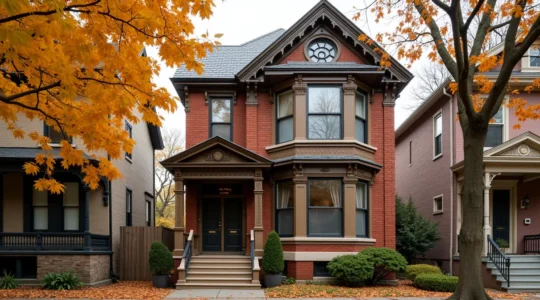
Owning a Heritage Home in Toronto: The Renovation Rules That Shock Buyers
The romantic dream of owning a Toronto heritage home often hides a reality of costly, invisible bureaucratic traps that go far beyond a simple building permit. Non-compliant renovations, even from previous owners, create a “heritage compliance debt” that new buyers…
Read more
Living in a Waterfront Marvel: The Hidden Condo Fees You Must Know
Contrary to popular belief, the biggest financial risks of a Toronto waterfront condo aren’t in the price tag, but in the invisible environmental and regulatory systems you can’t see. The constant environmental load from Lake Ontario directly inflates insurance premiums…
Read more