Discover Toronto
Toronto stands as Canada’s largest city and a complex urban ecosystem where soaring glass towers meet historic neighborhoods, where Lake Ontario’s shoreline shapes daily life, and where the cost of proximity to downtown defines crucial lifestyle decisions. Whether you’re considering a move to the city, planning an extended visit, or simply trying to experience Toronto beyond its postcard image, understanding its practical realities becomes essential to making the most of what this metropolis offers.
This city presents unique challenges that don’t always appear in tourism brochures: a rental market with volatile pricing dynamics, iconic attractions that require strategic planning to enjoy properly, public spaces increasingly shaped by privatization, and waterfront access governed by regulations many residents don’t fully understand. The following sections break down these core aspects of Toronto life, providing the foundational knowledge you need to navigate the city with confidence and avoid common frustrations.
Understanding Toronto’s Downtown Living Reality
The decision to live in downtown Toronto versus commuting from surrounding areas represents one of the most significant financial and lifestyle choices newcomers face. The cost per square foot in central neighborhoods like the Financial District, Entertainment District, or King West can easily reach double what you’d pay in suburban areas like Mississauga or Markham, yet this comparison only tells part of the story.
Downtown living eliminates commute times that can stretch beyond ninety minutes each way during peak periods on the Gardiner Expressway or GO Transit lines. This time savings translates to an extra fifteen to twenty hours per week—time that carries its own value beyond mere dollars. However, the trade-off comes in the form of significantly smaller living spaces, with many downtown units measuring under 500 square feet, requiring creative optimization strategies to maintain quality of life.
The rental market in Toronto exhibits particular volatility driven by several interconnected factors. The city’s vacancy rate typically hovers around one percent, creating intense competition for available units. New condo developments flood the market periodically, causing temporary price adjustments, while provincial rent control regulations apply only to buildings occupied before a certain threshold, creating a two-tier market. Understanding these dynamics helps you time your rental search strategically rather than accepting the first available option out of urgency.
Beyond rent itself, downtown living carries hidden financial traps that catch many newcomers off guard. The convenience of walkable restaurants, cafes, and entertainment venues can silently inflate monthly expenses by several hundred dollars. Grocery costs run higher at downtown locations of major chains compared to their suburban counterparts, while the absence of a car—often touted as a cost saving—may be offset by frequent rideshare usage for trips outside the transit grid.
Adapting to the Urban Rhythm Without Burnout
Toronto’s downtown core operates at a pace that can feel relentless, particularly for those arriving from smaller cities or rural areas. The constant stimulation—sirens at all hours, construction noise, crowds on King Street during rush hour—requires deliberate strategies to maintain mental equilibrium. Experienced residents emphasize the importance of establishing quiet routines: early morning walks along the Harbourfront before crowds arrive, or late evening visits to smaller parks like June Callwood Park where the intensity temporarily subsides.
The fast-paced urban rhythm also manifests in social and professional expectations. Networking events, after-work drinks, and weekend activities can create an exhausting social calendar if you don’t set clear boundaries. The key lies in selective participation rather than attempting to engage with every opportunity the city presents.
Experiencing Toronto’s Signature Observation Points
The CN Tower dominates Toronto’s skyline and remains the city’s most recognizable landmark, but experiencing it properly requires more preparation than many visitors anticipate. Ticket tiers range from general admission to the LookOut level, to higher-priced access to the SkyPod, to premium dining experiences—each offering dramatically different value propositions depending on your goals.
Weather conditions fundamentally alter the observation experience in ways that booking websites rarely emphasize. Humidity levels affect visibility as much as cloud cover, with the clearest views typically occurring after cold front passages when crisp air allows sightlines extending across Lake Ontario to the escarpment beyond. Conversely, summer haze can reduce visibility to just a few kilometers, rendering long-distance photography nearly impossible.
Booking the right time slot involves balancing crowd levels against lighting conditions. Weekday mornings offer the smallest crowds but harsh overhead light. Late afternoon slots approaching sunset provide dramatic lighting but attract peak visitor numbers, often resulting in crowded viewing areas where securing a window spot becomes challenging. The shoulder periods—mid-to-late afternoon on weekdays—frequently offer the best compromise.
Managing Physical Comfort and Motion Concerns
The CN Tower’s height—553 meters to the SkyPod—can trigger vertigo or motion sensitivity in visitors who don’t typically experience such issues at ground level. The glass floor, while structurally sound, provokes strong reactions even in people comfortable with heights elsewhere. If you’re prone to motion sensitivity, avoid visiting on particularly windy days when the building’s subtle sway becomes perceptible, and consider taking gravol preventatively.
Sequencing your visit with other downtown attractions requires geographic awareness. The tower sits in a relatively isolated position near the base of the Financial District, not naturally adjacent to other major sites. Combining it with the Ripley’s Aquarium next door makes logistical sense, while attempting to walk to Distillery District or St. Lawrence Market afterward involves longer distances than maps suggest.
Discovering Free and Alternative Viewpoints
Toronto’s urban landscape presents an interesting paradox: despite being a public city, many of its best views sit behind paywalls or within privately controlled spaces. This privatization of public space accelerated during the condo boom, as developers incorporated ground-floor retail and elevated terraces into mixed-use towers, creating semi-public areas with ambiguous access rules.
Several parking garage rooftops offer surprisingly good vantage points for photography and city viewing, though accessing them requires understanding the informal protocols. Rooftop levels of structures like the parking garage at Yorkville Village or certain downtown locations remain technically public during operating hours, but security personnel may question photographers or obvious non-parkers. The key lies in confident, purposeful movement—arriving during busy periods, avoiding restricted areas, and limiting your time to avoid drawing attention.
Comparing Natural Versus Built Viewpoints
Parks offer legitimate free access to skyline views, though the perspectives differ significantly from building-based vantage points. Riverdale Park East provides the classic postcard view of downtown from the east, while Polson Pier and locations along the Portlands offer waterfront perspectives. These natural viewpoints excel for photography during golden hour but lack the elevation that rooftop locations provide.
Building views—whether from condo amenity floors, hotel lobbies with sky lounges, or office tower observation areas—offer height and often climate-controlled comfort, but come with access restrictions. Some hotels tacitly allow non-guests to visit rooftop bars during off-peak hours if you purchase a drink, creating a low-cost alternative to paid observation decks.
Sunset timing becomes crucial for maximizing these free viewpoints. Toronto’s east-west street grid and position on Lake Ontario’s northwestern shore create specific alignment moments when the setting sun frames perfectly down major corridors like King Street or Queen Street—typically occurring during the equinox periods in spring and fall.
Navigating Toronto’s Waterfront and Boating Culture
Toronto’s harbour and waterfront offer recreational opportunities that many residents never explore, partly due to confusion about licensing requirements and access rules. Operating a powered vessel in Canadian waters requires a Pleasure Craft Operator Card, a federal requirement that applies even to small motorboats and personal watercraft. The certification involves an online course and exam covering navigation rules, safety equipment requirements, and right-of-way protocols.
Reading harbour markers in Toronto Harbour follows the standard Canadian system: red markers on your right when returning to harbour, green on your left. However, the busy commercial traffic, frequent ferry movements to the Toronto Islands, and presence of the Billy Bishop Airport ferry create complexity beyond typical recreational boating areas. The harbour master publishes navigation restrictions that change seasonally, particularly around the islands’ channels.
Ownership Versus Rental Considerations
Boat ownership in Toronto involves costs beyond the vessel purchase: marina slips in downtown locations like Harbourfront Marina or National Yacht Club command premium rates, winter storage adds thousands annually, and insurance requirements reflect the challenging conditions of Lake Ontario. For most residents interested in occasional recreational boating, rental options or boat club memberships provide better value.
Water quality in Toronto Harbour has improved significantly following infrastructure upgrades, but remains variable. After heavy rainfall, runoff can temporarily elevate bacteria levels, making water contact inadvisable for 24-48 hours. The Toronto and Region Conservation Authority publishes regular water quality updates, essential reading before planning swimming or water sports activities.
Sunset cruises represent one of the harbour’s most popular experiences, offering skyline views unavailable from land. Timing these properly means checking sunset tables and booking departures that position you in the outer harbour as the sun approaches the horizon, typically requiring departure 90 minutes before actual sunset.
Mastering Toronto Islands Access and Logistics
The Toronto Islands sit just 800 meters offshore but present logistical challenges that frustrate unprepared visitors. The ferry system operates as the primary access method, creating a transportation bottleneck during peak summer weekends when demand far exceeds capacity. Wait times can stretch beyond two hours during holiday weekends, effectively consuming much of your available island time.
Understanding peak flow times helps you avoid the worst congestion. The initial morning rush (10:00-11:30 AM) sees families heading over for full-day visits, while the early afternoon period (1:00-2:30 PM) brings a second wave. The return trip crush intensifies in late afternoon as day visitors attempt to leave before dinner time, creating even longer waits than the outbound journey. Experienced locals either arrive very early (first ferry at 8:00 AM on summer weekends) or plan late afternoon arrivals for evening visits, avoiding the mid-day chaos entirely.
Buying tickets online through the City of Toronto website allows you to bypass the ticket booth queue but doesn’t guarantee immediate boarding—you still join the general boarding line. The system works best for off-peak visits when lines remain manageable. During peak periods, the online advantage becomes minimal since ferry capacity remains the limiting factor.
Transport Mode Options and Bicycle Logistics
Three ferry routes serve different island destinations: Ward’s Island, Centre Island, and Hanlan’s Point. Centre Island sees the heaviest traffic due to family attractions, while Ward’s and Hanlan’s offer quieter alternatives with distinct character—Ward’s for its residential community and beach, Hanlan’s for its clothing-optional beach and airport views.
Bringing a bicycle transforms the island experience, allowing you to cover the full archipelago efficiently rather than remaining confined to your arrival point. Bikes board free but compete for limited space in designated areas. During peak times, you may need to wait for multiple ferries if bike capacity fills before general passenger capacity. Folding bikes avoid this restriction as they’re treated as luggage. Once on the islands, the flat terrain and car-free paths make cycling ideal for exploring the full shoreline and connecting the different island sections.
Toronto rewards those who invest time in understanding its operational realities rather than approaching it with generic tourist assumptions. The city functions as a complex system where timing, pricing knowledge, and awareness of both official and informal access rules dramatically affect your experience quality—whether you’re settling in as a resident or extracting maximum value from a short visit.
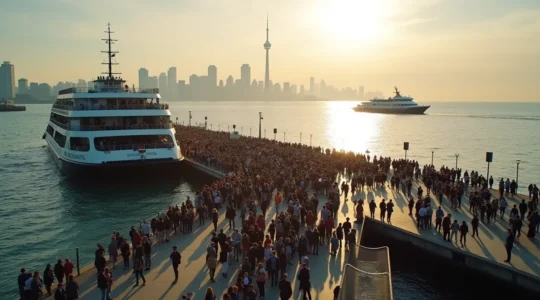
Toronto Island Ferry: How to Avoid the 2-Hour Line on Summer Weekends?
Beating the Toronto Island ferry line isn’t about buying a ticket online; it’s about outsmarting a series of predictable logistical chokepoints. Online tickets only let you bypass the ticket purchase queue, not the main boarding line which is the primary…
Read more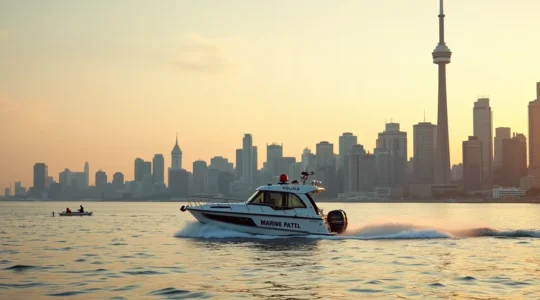
Harbourfront Water Sports: What Are the Police Marine Unit Rules You Must Know?
In summary: Operating any motorized boat, including a Sea-Doo, in Toronto requires a Pleasure Craft Operator Card (PCOC) by law. Specific high-risk zones, like the area around Billy Bishop Airport, are strictly off-limits with severe penalties for violations. Beyond boat…
Read more
Living in Yorkville: What Salary Do You Need to Afford the Lifestyle?
Affording Yorkville isn’t about salary; it’s about underwriting the significant cost of social integration. Real estate carries a non-negotiable brand premium, driven by its international reputation and “Starchitect” developments. Daily life has a built-in “lifestyle inflation” tax, where routine expenses…
Read more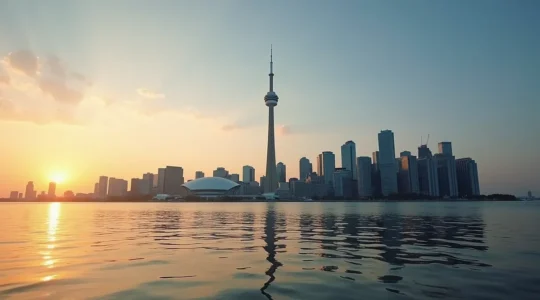
The Best Skyline Views: Where to Find Free Rooftop Access in Downtown?
Most believe Toronto’s best skyline views are locked behind pricey cocktail bar tabs or found only in crowded, obvious parks. The truth is, the city is a puzzle box of opportunity. The real key to unlocking spectacular, free vistas lies…
Read more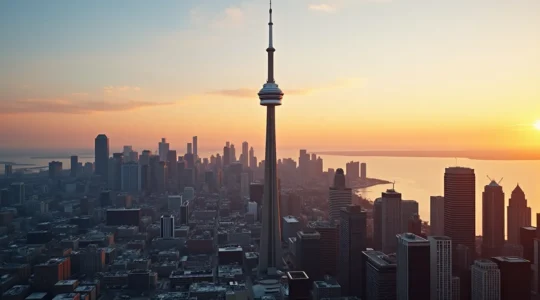
How to Visit the CN Tower and Bypass the 2-Hour Queue: An Insider’s Strategy
The secret to a seamless CN Tower visit isn’t just skipping the line; it’s understanding and leveraging the building’s operational flow. The 360 Restaurant reservation is the most reliable method to bypass the main ticket queue, turning a potential wait…
Read more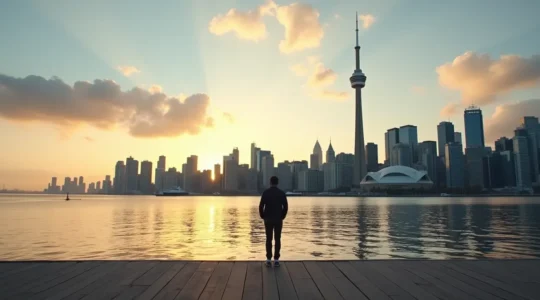
Is Toronto’s Downtown Energy Worth the $2,500 Monthly Rent for Newcomers?
The $2,500 downtown rent isn’t just an expense; it’s an investment that only yields a positive return with a deliberate financial strategy. The hidden “Convenience Tax” can silently add over $400 to your monthly budget unless it’s actively managed through…
Read more