Going Out and Entertainment
Toronto’s entertainment landscape operates at a scale and complexity that can overwhelm even experienced visitors. With waterfront districts, evolving nightlife zones, landmark venues competing for special occasions, and seasonal events that transform the city’s character, navigating the options requires more than spontaneity. The difference between a memorable evening and a disappointing one often comes down to understanding reservation cycles, recognizing pricing models, and timing your visit to match the city’s distinct seasonal rhythms.
This resource breaks down the core elements of going out in Toronto: from securing tables at competitive restaurants to avoiding common pitfalls in high-density entertainment areas, from planning family outings along the waterfront to understanding the economics behind bottle service and venue minimums. Whether you’re organizing a high-stakes proposal, managing group logistics, or simply trying to filter authentic experiences from tourist traps, the strategies below provide a framework for making informed decisions in one of Canada’s most dynamic urban entertainment environments.
Planning Family-Friendly Outings Along the Waterfront
Toronto’s waterfront presents a unique challenge for families: it’s a linear entertainment corridor stretching several kilometres, with activities scattered across distinct zones. Without a clear plan, you’ll spend more time walking between destinations than actually enjoying them.
Creating a Cohesive Itinerary for Different Age Groups
The key to a successful family day is clustering activities by proximity rather than by preference. The waterfront functions in segments: the eastern beaches area, the Harbourfront Centre zone, and the western Exhibition grounds. A common mistake is attempting to hit highlights across all three zones in a single visit. Instead, choose one anchor location and build your day around it. For younger children, this might mean spending three hours within a 500-metre radius rather than covering two kilometres with tired legs and rising frustration.
Seasonal crowd dynamics shift dramatically. Summer weekends see peak density between 11 AM and 3 PM, particularly around interactive fountains and free performance spaces. Families who arrive before 10 AM or after 4 PM experience the same attractions with a fraction of the congestion. Winter transforms the calculation entirely—the waterfront becomes less about extended outdoor time and more about targeted visits to specific indoor venues between warming breaks.
Transport Selection and Parking Realities
Public transit to the waterfront involves trade-offs. The streetcar system provides direct access but operates at reduced frequency during off-peak hours and can become overcrowded during events. Driving shifts the challenge to parking: lots near major attractions charge premium rates (often $20-30 for the day), and availability evaporates during festivals or holiday markets.
A hybrid approach often works best: use transit for weekend visits when parking is most constrained, but drive during weekday visits when lots are more accessible and rates may be lower. Alternative: park in less obvious residential permit zones east or west of your target area (always checking signage carefully) and walk 10-15 minutes to avoid the core parking nightmare.
Identifying Where Food Costs Spike
Food pricing along the waterfront follows predictable patterns. Vendors directly adjacent to major attractions or within festival grounds operate under captive-audience economics. A meal that costs $12 at a street vendor three blocks inland can easily reach $18-22 in premium waterfront locations. This isn’t about quality—it’s about location rent and the assumption that visitors prioritize convenience over comparison shopping.
Smart families pack substantial snacks and plan one intentional meal at a sit-down restaurant slightly removed from the highest-traffic areas. The restaurants one street back from the water often offer better value and shorter waits while maintaining the same food quality standards.
Navigating Toronto’s Restaurant Reservation Landscape
Toronto’s competitive dining scene operates on reservation systems that reward understanding their mechanics. Top restaurants don’t just fill up—they fill up within minutes of releasing their tables, following patterns that casual diners rarely recognize.
Understanding Release Cycles and Waitlist Strategy
Most sought-after restaurants release reservations on a rolling window, typically 30 days in advance. The exact release time varies: some drop new availability at midnight, others at 10 AM. Securing a prime-time Friday or Saturday slot requires logging in at the precise moment that day becomes bookable. This isn’t about luck—it’s about knowing the system.
When your preferred time isn’t available, the waitlist becomes your secondary strategy. But not all waitlist positions are equal. Adding yourself to a waitlist for 6:30 PM on a Saturday has low conversion probability—those slots are highly desired and rarely released. A 5:15 PM or 9:00 PM slot shows more movement, as diners who initially booked less desirable times often cancel when better options emerge. Monitor your waitlist status actively in the 48 hours before your target date.
Comparing Bar Seating vs. Table Reservations
Bar seating operates under different rules. Many high-end restaurants reserve a portion of bar seats for walk-ins, creating an access point that bypasses the reservation system entirely. The trade-off: you’re committing to a different dining experience. Bar seats typically offer the full menu but in a more casual setting, often with better sightlines into the kitchen and opportunities to interact with bartenders who can guide you through the wine list or cocktail program.
For parties of two, especially on short notice, the bar strategy frequently outperforms waiting for a table reservation. Arrive 15-20 minutes before service begins (usually around 5:00 PM for dinner), and you position yourself ahead of the evening’s walk-in crowd.
Navigating No-Show Fees and Cancellation Policies
The industry has shifted toward requiring credit card holds at booking, with per-person cancellation fees (typically $25-75) for no-shows or late cancellations. These policies protect restaurants from the revenue loss of held tables, but they also create risk for diners whose plans change. Read the cancellation window carefully—some restaurants require 48 hours notice, others 72 hours, and a few operate on same-day cancellation allowed until mid-afternoon.
If your plans become uncertain, cancel early rather than hoping you’ll make it. The fee threshold usually triggers at a specific time cutoff, and the difference between canceling six hours versus four hours before your reservation can mean the difference between a full refund and losing your deposit.
Special Occasions: Proposals, Anniversaries, and High-Stakes Dining
When the venue itself becomes part of the experience—not just the backdrop—the selection criteria change completely. You’re not just booking a meal; you’re orchestrating a moment that needs to align with sunset timing, weather patterns, and personal dietary requirements.
Venue Selection for Romantic Proposals
Toronto offers numerous venues marketed for proposals, but the core tension remains consistent: view quality versus menu quality. Restaurants with prime waterfront or skyline views often command premium prices based on location rather than culinary excellence. This doesn’t make them wrong choices—it simply means you’re paying for the setting as much as the food.
The most successful proposals at restaurant venues occur when the timing aligns perfectly with environmental factors. A sunset reservation requires precision: you need to book for 20-30 minutes before the actual sunset time to allow for seating and ordering, positioning the moment for when the light is optimal. Restaurants with westward views book these slots months in advance for summer evenings, when sunset arrives late enough to coincide with dinner service.
Understanding Minimum Spend Policies
High-end venues, particularly those with coveted window tables or private sections, increasingly implement minimum spend requirements. This isn’t a cover charge—it’s a commitment that your table will generate a certain revenue threshold, typically ranging from $200 to $500+ depending on the venue and time. The minimum usually applies to food and beverage combined, before tax and gratuity.
For special occasions, this model can actually work in your favor. Instead of feeling pressured to order more, view it as permission to explore higher-end menu items or wine pairings you might otherwise skip. The spending floor is already established; the question becomes how to allocate that budget across the experience.
Managing Dietary Requests for Special Events
Dietary restrictions require advance communication, not day-of requests. When booking a special occasion, note any allergies or requirements in the reservation comments, then follow up with a phone call 48-72 hours before your visit. This gives the kitchen time to prepare alternatives rather than improvising during service. High-end restaurants typically accommodate restrictions gracefully, but the quality of that accommodation depends heavily on advance notice.
For proposals or anniversaries, consider requesting specific table locations when you make the reservation. Tables near the kitchen or service stations undermine the intimacy you’re trying to create, while corner tables or those by windows enhance it. These requests aren’t guaranteed, but making them at booking time gives you better odds than hoping for reassignment at arrival.
Mastering Toronto’s Nightlife Logistics
Toronto’s nightlife divides into distinct zones, each with its own character, pricing structure, and logistical considerations. Success in navigating the after-dark scene comes down to understanding these districts and planning your movement between them.
Comparing Nightlife Zones and Their Economics
The Entertainment District concentrates clubs and high-volume venues within a dense grid, creating both convenience and chaos. Cover charges range from $10-30 depending on the night and DJ, but the real cost comes from drink prices and bottle service minimums. King West attracts a different demographic with upscale lounges where entry may be free but cocktails start at $18. Queen West offers more eclectic, lower-key bars with cheaper drinks but less predictable quality.
The zone you choose should align with your group’s priorities. If dancing is central, the Entertainment District’s club infrastructure makes sense despite higher costs. If conversation matters, King West’s lounge format works better. If you’re seeking unique atmosphere over polished production, Queen West’s independent venues deliver character that corporate clubs can’t replicate.
Understanding Bottle Service Economics
Bottle service appears expensive until you calculate the per-drink cost for a group. A bottle minimum of $400-600 sounds steep, but for a group of six people over three hours, it often works out cheaper than individual cocktails at $16-20 each. The real value comes from guaranteed seating in crowded venues and expedited service.
The economics shift based on group size and drinking pace. For four people, bottle service rarely makes mathematical sense unless you’re drinking heavily. For eight or more, it almost always beats individual ordering. The middle ground—groups of 5-7—requires quick math based on the specific venue’s pricing and your group’s typical consumption.
Arranging Group Transport
Transport logistics make or break group nights out. Coordinating individual Ubers at 2 AM from a crowded club creates delays and splits the group. Pre-arranged transport—whether a designated driver, hired car service, or mapped-out transit route—removes the friction. Toronto’s subway system stops running shortly after 2 AM on weekdays, with night bus routes as the backup. These work but require knowing which routes serve your destination and accepting longer travel times.
For groups of six or more, splitting a hired vehicle for the evening often costs less than surge-priced ride-shares at peak hours. The break-even point sits around $200-250 for a vehicle that can handle door-to-door service across multiple stops.
Filtering Authentic Experiences From Tourist Traps
High-density entertainment areas breed operations designed to extract maximum revenue from one-time visitors. Learning to distinguish between genuinely valuable experiences and those optimized for tourist volume protects both your budget and your evening.
Recognizing the Promoter Model
Street promoters offering “VIP access” or “no cover” deals operate on commission structures. They’re incentivized to fill venues, not to match you with the best experience for your preferences. The clubs they promote often pay the highest commissions, which correlates with those venues struggling to fill capacity through reputation alone.
This doesn’t mean promoter-led venues are always poor choices, but it does mean their pitch emphasizes access over quality. If a venue needs sidewalk promoters to drive traffic on a Saturday night in summer, ask yourself why organic demand isn’t filling the space.
Finding Speakeasies and Hidden Venues
Toronto’s speakeasy scene ranges from genuine hidden gems to marketing theater. Authentic speakeasies distinguish themselves through consistent quality over multiple visits and word-of-mouth reputation that builds slowly. They’re hidden because they want to control capacity and atmosphere, not because they’re leveraging mystery as a gimmick.
The methodology for finding legitimate hidden venues: ask service industry workers, not tourist information desks. Bartenders and servers know where their peers go on nights off. These recommendations come without commercial incentive and tend to point toward venues that prioritize craft over volume.
Evaluating Theater Venues
Toronto’s theater landscape spans from major commercial productions to intimate independent companies. The pricing model for theater works differently than nightlife: higher ticket prices don’t always correlate with better productions. Large venues have higher overhead and often book touring shows with built-in marketing, while smaller theaters take creative risks with emerging work.
For visitors unfamiliar with Toronto’s theater scene, reviews matter more than venue size. The city has multiple independent review sources and theater blogs that assess productions honestly. Reading three reviews from different sources gives you better information than relying on promotional copy or venue prestige alone.
Seasonal and Outdoor Entertainment
Toronto’s entertainment options shift dramatically with seasons, creating opportunities that only exist within specific windows and challenges that require preparation most visitors underestimate.
Winter Urban Sports and Safety
The city’s toboggan hills transform parks into winter recreation zones, but the experience requires more preparation than most assume. Hills that seem gentle have runout zones that demand specific sled designs—flexible saucers work better on compact snow, while traditional wooden toboggans need deeper, looser snow to avoid jarring stops.
The physics of the hill matter: steeper slopes build speed quickly, which is exhilarating but also means younger children may struggle to control their descent. The timing consideration involves temperature and recent snowfall. Fresh snow after a warm period creates sticky, slow conditions. Older, compacted snow after several cold days creates faster, icier runs. Check recent weather, not just the forecast for your visit day.
Hypothermia risk on the climb back is real but preventable. The exertion of climbing generates heat, leading many people to shed layers—then they cool rapidly once they stop moving at the top. The solution: layer strategically with a base that wicks moisture, and bring an additional outer layer specifically for the descent when you’re stationary and exposed to wind.
Public Alcohol Consumption Regulations
Recent regulatory changes have created designated zones where alcohol consumption in public parks is permitted, but the rules remain specific and actively enforced. These zones operate during defined hours (typically afternoon through early evening), and consumption must occur within marked boundaries. Outside these designated areas and times, traditional restrictions apply.
For waterfront picnics or park gatherings, knowing the exact boundaries of permitted zones saves you from fines. The city provides maps online, but signage on-site can be subtle. The designated areas tend to be in high-visibility sections of popular parks, which creates a trade-off: you gain legal permission to drink but sacrifice the quiet, secluded picnic spot you might prefer.
Timing Visits for Free Seasonal Events
Toronto’s festival calendar includes numerous free events, but “free admission” doesn’t mean zero cost. The waterfront’s summer festival series offers free concerts and performances, but food vendor pricing remains at festival premiums. The Christmas Market operates on free entry with revenue generated through vendor sales—this model works for visitors who want the atmosphere without purchasing, but it also means high-density crowds browsing without buying, which slows movement through the space.
The strategy for free events: arrive during off-peak hours if possible (weekday evenings rather than weekend afternoons), bring your own refreshments when permitted, and accept that certain popular elements (photo opportunities, featured performances) will have lines regardless of when you visit.
Budget Optimization and Value Assessment
Understanding where your money goes in Toronto’s entertainment landscape allows for intentional choices rather than reactive spending. The city’s pricing models vary widely across venue types, and recognizing these patterns helps you allocate budget toward experiences that matter most to your specific priorities.
Analyzing Pricing Models
The Christmas Market illustrates a common model: free entry with premium-priced consumables. This structure lowers the barrier to attendance but recoups revenue through food, drinks, and vendor purchases. The psychological effect works both ways—you feel less committed because you didn’t pay entry, but you also may spend more freely once inside because you haven’t tracked a ticket cost.
Landmark venue weddings operate on entirely different economics. You’re paying a facility fee for access to a recognizable location, plus catering minimums, staffing requirements, and often restrictions on outside vendors. The fee structure appears complex because it is—these venues layer multiple revenue streams (space rental, required catering, bar minimums, overtime charges) into packages that obscure the true per-guest cost until you examine line items carefully.
Comparing Daylight vs. Evening Experiences
Many Toronto attractions offer dramatically different experiences based on time of day, often at identical pricing. Waterfront walks during daylight provide clarity for photography and easier navigation. The same routes at twilight offer atmosphere and lighting that transforms the visual character completely. Neither is objectively better; they serve different priorities.
For budget-conscious visitors, daytime activities often provide better value because they extend naturally into multiple hours without the pressure of timed reservations or ticketed events. Evening entertainment tends toward defined experiences (shows, reservations, nightlife) that carry explicit costs and time constraints.
Evaluating Extreme Tourism Value
Activities like the CN Tower’s EdgeWalk or other adrenaline-focused attractions charge premium prices that reflect insurance costs, safety equipment, and limited capacity as much as the experience itself. The psychological value of these experiences is highly personal—for some, the bragging rights and memory creation justify $200+ per person; for others, the same budget allocated to a memorable meal delivers more lasting satisfaction.
The financial value assessment should include photo packages, which venues price separately knowing that many participants will pay significant amounts for professional documentation of an experience they can’t photograph themselves. Decide in advance whether these photos matter to you, because the in-the-moment pressure to purchase is high when you’re already emotionally invested in the experience.
Toronto’s entertainment landscape rewards preparation without requiring rigidity. The strategies above create a framework for making informed decisions while leaving room for spontaneous discovery. Whether you’re planning a family day along the waterfront or navigating the nightlife maze, understanding the underlying systems—reservation cycles, pricing models, seasonal patterns, and logistical realities—transforms Toronto from overwhelming to navigable.
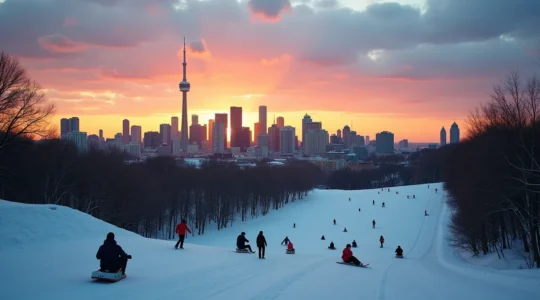
An ER Nurse’s Guide to Tobogganing Safely on Toronto’s Steepest Hill
The secret to safely enjoying Riverdale Park isn’t just wearing a helmet; it’s understanding the hill’s unique physics and your body’s reaction to the intense climb-and-slide cycle. The central ice track is a high-speed luge run that eliminates steering and…
Read more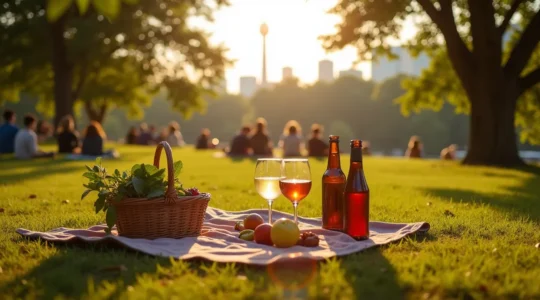
Drinking in Toronto Parks: A Strategic Guide to Picnicking Legally Under the New Bylaws
In summary: Toronto’s pilot program now allows alcohol in many designated parks, but rules on location, hours, and waste are strict. Success depends on logistical planning: choosing the right park, packing heat-resistant food, and knowing where facilities are. Navigating shared…
Read more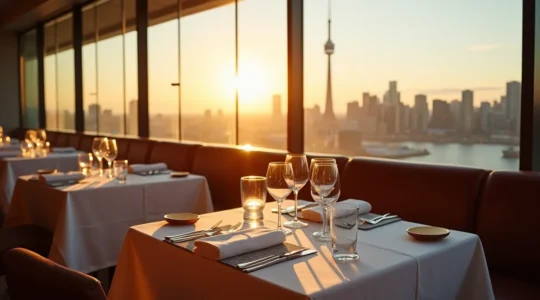
Toronto Dining: How to Snag a Reservation at Michelin Star Spots Last Minute?
In summary: Securing a last-minute table is not about luck; it’s about systematically exploiting reservation platform mechanics and human psychology. Mastering the “Cancellation Window” (48-72 hours before a reservation) is the single most effective strategy for finding openings. Bar seating…
Read more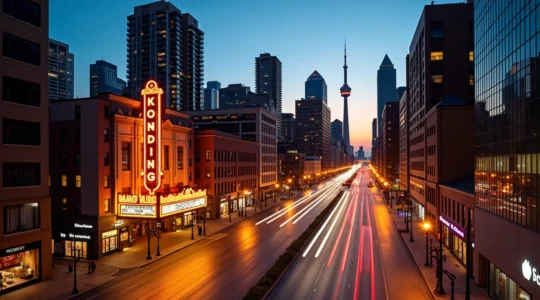
Entertainment District: Your Guide to Spotting a Tourist Trap Before You Even Walk In
Forget the obvious red flags; spotting a real tourist trap in Toronto’s Entertainment District is about decoding the economic playbook used to separate you from your money. “Free” drink tickets are bait for a mandatory cover charge, a classic shell…
Read more
Toronto Nightlife: How to Plan a Bachelorette Party Without Losing Anyone?
In summary: Master the “minimum spend calculus” to make bottle service surprisingly affordable for your group. Pre-book a party bus to completely avoid the 2 AM Uber surge pricing chaos. Choose your vibe: King West for upscale glam, Ossington for…
Read more
Planning a Casa Loma Wedding: What Are the Hidden Costs Beyond the Rental Fee?
Contrary to popular belief, the Casa Loma venue rental fee is just the starting point; the real cost lies in the 40%+ of mandatory fees, operational surcharges, and heritage logistics that most couples overlook. Mandatory “Landmark Fees” and ceremony charges…
Read more
360 Restaurant vs. Canoe: Which High-Altitude Venue Ensures a Perfect Proposal?
The perfect proposal venue isn’t chosen on the view alone, but on the degree of operational control it affords you. Canoe offers superior culinary excellence and more predictable service, aligning with Michelin-level standards. 360 Restaurant provides an unparalleled, revolving view…
Read more
Is the $200 EdgeWalk Ticket Worth the 30 Minutes of Adrenaline?
The $200+ EdgeWalk ticket is worth the price, but not just for the 30-minute thrill—its true value lies in the meticulously engineered safety and the bundled VIP access to the CN Tower. It’s statistically safer than your drive to the…
Read more
Distillery District Dates: Which Season Offers the Best Experience for Couples?
The most romantic Distillery District experience has little to do with the season and everything to do with strategic timing to avoid the crowds. The famous Winter Village is often less romantic due to overwhelming crowds and mandatory fees, but…
Read more
Planning a Harbourfront Day: How to Entertain a Family of 4 for Under $100?
In summary: A magical Harbourfront day on a budget isn’t about skipping the fun, it’s about smart timing and local knowledge to avoid crowds and costs. Focus on free weekday events like Tuesday night movies and Thursday evening concerts instead…
Read more