Shopping and Trends
Toronto’s retail landscape is a study in contrasts, where sprawling suburban mega-malls coexist with fiercely independent boutiques, where luxury flagships on Bloor Street share the city with weekend vintage hunters in Kensington Market. Understanding how to navigate this diverse ecosystem can transform shopping from a stressful chore into an efficient, even enjoyable experience. Whether you’re hunting for designer exclusives, calculating the true savings of a cross-border outlet run, or seeking out local makers who craft everything from artisanal hot sauce to hand-dyed textiles, Toronto demands a strategic approach.
This complexity reflects the city’s identity as Canada’s commercial hub and cultural melting pot. Shopping here isn’t just about acquisition—it’s about understanding economic realities like duty regulations, cultural phenomena like streetwear hype cycles, and social tensions around gentrification pushing out the very independent retailers that give neighbourhoods their character. The following exploration breaks down Toronto’s retail world into six essential dimensions, equipping you with the knowledge to shop smarter, support intentionally, and navigate everything from parking lot chaos to authentication challenges.
Mastering the Art of Mall Shopping in Toronto
Toronto’s major shopping centres—Eaton Centre downtown, Yorkdale Mall in North York, and Vaughan Mills just beyond city limits—each attract millions of visitors annually. These aren’t simple retail spaces; they’re complex ecosystems with their own logic, and understanding that logic is the difference between a two-hour efficient trip and a four-hour exhausting ordeal.
Mall layouts follow predictable patterns designed to maximize exposure to stores. Anchor tenants (department stores like Hudson’s Bay or Nordstrom) occupy opposite ends, forcing foot traffic past smaller retailers. At Yorkdale, luxury brands cluster in a specific wing, while Eaton Centre positions fast fashion near the Dundas Street entrance where younger shoppers enter. Arriving with a mental map—ideally reviewed online beforehand—lets you plot the most efficient route based on your actual needs rather than the path the mall wants you to follow.
Parking presents its own challenge. Weekends at Eaton Centre mean circling the underground garage for fifteen minutes or more. Experienced shoppers know the patterns: arrive before 11 AM or after 7 PM, park on the top uncovered level that casual shoppers avoid, or use the Green P lots on Yonge Street and walk two minutes. At Yorkdale, the northwest entrance near Sporting Life consistently has better availability than the south side near the subway station. These small tactical decisions save genuine time and reduce the stress that often derails the entire shopping experience before it even begins.
Cross-Border Shopping: Calculating the Real Savings
Living in Toronto means living roughly ninety minutes from American outlet malls in Buffalo and Niagara Falls, USA. This proximity creates a persistent question: when does crossing the border actually make economic sense? The answer involves more variables than most shoppers initially consider.
The Canada Border Services Agency (CBSA) permits duty-free exemptions based on absence duration: $200 after 24 hours, $800 after 48 hours. Below these thresholds, you pay applicable duties and taxes—often 13% HST plus category-specific duties that can reach 18% on clothing. A $400 USD jacket purchased on a day trip triggers roughly $90 CAD in border fees after currency conversion, erasing much of the perceived discount. The methodology requires calculating the post-tax US price, converting to Canadian dollars at current rates, adding fuel costs (roughly $30-40 round trip), and factoring time value. Only when the final number beats the Canadian retail price—and you’ve confirmed the item carries an international warranty—does the trip justify itself.
Outlet pricing adds another layer. Stores like Premium Outlets Niagara Falls USA advertise 25-65% off retail, but savvy shoppers verify whether items are genuine overstock or lower-quality “made for outlet” versions. The timing matters enormously: American Thanksgiving weekend and post-Christmas sales offer the deepest cuts, but also the longest border wait times—sometimes two hours southbound and three returning. A Tuesday in February might save you three hours of idling in a car, which for many shoppers outweighs an extra 10% discount.
Navigating Toronto’s High-End Retail Landscape
Yorkville, Toronto’s luxury district along Bloor Street between Avenue Road and Yonge, operates under different rules than mainstream retail. Here, shopping becomes an appointment-based, relationship-driven experience where understanding the unwritten protocols significantly impacts outcomes.
Many flagship stores—particularly for brands like Hermès, Chanel, or Louis Vuitton—employ sales commission structures that incentivize building long-term client relationships over one-time transactions. This means your first visit might feel cooler than expected; associates are assessing whether you’re a serious buyer or a browser. Booking appointments, especially for limited releases or private sales, signals intent and grants access to inventory never displayed on the floor. One practical approach: start at more accessible luxury (Tiffany & Co., Burberry) where walk-in service remains warm, then leverage those shopping bags when visiting ultra-luxury brands—a subtle social signal that you’re an active buyer.
Flagship exclusives represent another dimension. Toronto locations often receive Canada-only colorways or limited editions, particularly from brands testing the North American market before wider US release. The catch: return policies at luxury retailers tend to be far more restrictive than mainstream stores. Many luxury brands offer exchange-only policies on sale items, or require returns within seven days versus the standard thirty. Always clarify the specific policy before purchase, particularly for special orders or final sale items, where your $3,000 purchase becomes truly final the moment you leave the store.
The Resale Revolution and Streetwear Culture
Toronto has cultivated an increasingly sophisticated resale and streetwear scene, driven by younger buyers who view certain items—limited Supreme drops, collaborative Nike Dunk releases, vintage archive pieces—as investment assets rather than mere clothing. Understanding the local “hype cycle” is essential for anyone engaging with this market, whether buying, selling, or simply trying to avoid overpaying.
The cycle follows a predictable pattern. A brand announces a limited collaboration, local shops like Livestock or Capsule hold raffles for purchase slots, release day brings lineups on Queen Street West, resale listings appear on platforms like StockX or Grailed within hours at markup, then prices either climb (if the item proves genuinely scarce) or crash (if the hype was manufactured). The methodology for verifying authenticity has become crucial as fakes grow more sophisticated. Local authentication services have emerged, typically charging $25-50 to verify everything from the stitching pattern to the box label font. For items above $300, this fee represents cheap insurance against purchasing a convincing replica.
Resale platforms each serve different niches. StockX offers authentication and market pricing transparency but charges seller fees approaching 12%. Grailed allows direct negotiation and better margins but requires self-authentication. Local Facebook groups and Instagram-based sellers offer the best prices but the highest risk. Experienced Toronto resellers optimize by understanding inventory storage—many operate from small apartments where space costs money, creating pressure to move inventory quickly rather than waiting months for peak pricing. This impatience creates opportunities for patient buyers willing to make reasonable offers.
Supporting Local: Independent Boutiques and Makers
Toronto’s independent retail sector faces existential pressure. Commercial rents in desirable neighbourhoods like Queen West, Ossington, and Leslieville have climbed so dramatically that they’ve pushed out many of the creative, owner-operated shops that originally made these areas attractive. This tension between gentrification and independent creativity shapes where and how to shop local.
What remains requires intentional discovery. Local fabric shops like Blackbird Fabrics on Queen East or Stylemaker Fabrics on Queen West stock both imported and Canadian-milled textiles, serving both home sewers and professional designers. These shops offer something Amazon cannot: expertise. Staff can guide you toward the right weight denim for a jacket project or explain why locally-milled wool costs more (smaller production runs, higher labor standards) but performs better in Toronto’s temperature extremes. Similarly, vintage shops in Kensington Market—Courage My Love, Black Market—curate rather than simply accumulate, creating collections where a knowledgeable buyer can find archive Levi’s or 1980s Canadiana.
The practical challenge involves distinguishing authentic local producers from brands that simply position themselves as local. Check where items are actually made—many “Toronto” brands design locally but manufacture overseas, which isn’t inherently wrong but isn’t the same as end-to-end local production. Avoid fast fashion traps by questioning: does this price make sense if workers were paid fairly? Is this item designed to last multiple seasons or follow a micro-trend? Optimizing a local shopping route means clustering visits—spend an afternoon walking Queen West from Bathurst to Ossington, or explore Leslieville’s antique corridor along Queen East, rather than making scattered trips that waste time and fuel.
Toronto’s Gourmet and Specialty Food Shopping
Food shopping in Toronto extends far beyond supermarket aisles. The city’s immigrant diversity and growing locavore movement have created multiple specialty markets and food-focused shopping experiences that reward exploration.
St. Lawrence Market, operating since the early 1800s, remains the crown jewel. The south market (open Tuesday through Saturday) houses permanent vendors selling everything from fresh pasta to wild-caught fish, while the north market hosts a Sunday antique market. The building’s most famous product—peameal bacon, wet-cured pork loin rolled in cornmeal—originated here, and Carousel Bakery’s peameal sandwich attracts lineups that test patience. The insider move: arrive by 9 AM on Saturday before crowds swell, bring cash for vendors who still avoid credit card fees, and plan your route from the back perimeter forward to avoid retracing steps with heavy bags.
Cheese pairing and specialty ingredients require different venues. Alex Farm Products carries Eastern European specialties, Starsky carries Russian and Ukrainian items, and PAT Korean Market in Koreatown stocks ingredients impossible to find elsewhere. These aren’t tourist attractions—they’re working markets serving specific communities, which means better prices and selection than generic “international” aisles. The potential trap: many smaller vendors operate cash-only, and few advertise this until you’re at the counter. Carrying $40-60 in cash prevents the awkward moment of abandoning a carefully selected purchase.
The antique hunt extends to vintage kitchenware and food-related collectibles. Leslieville’s stretch of Queen East between Greenwood and Jones hosts multiple antique shops where patient searching uncovers everything from mid-century Pyrex to copper cookware. Unlike furniture, small kitchen antiques travel easily and offer genuine utility. The key is knowing fair market value—check comparable sold listings online before negotiating, and remember that “vintage” and “antique” aren’t regulated terms. A 1990s item isn’t antique regardless of pricing, and condition dramatically affects value. Optimizing these hunts means visiting on weekdays when staff have more time to discuss provenance and negotiate pricing.
Shopping in Toronto rewards understanding the ecosystem—not just where to go, but when, how, and why. Whether you’re calculating duty thresholds before a Buffalo outlet run, authenticating a streetwear purchase, or discovering the small fabric shop that stocks exactly what larger retailers discontinued, success comes from knowledge rather than impulse. The city’s retail landscape will continue evolving, shaped by economic pressures, cultural shifts, and the ongoing tension between efficiency and experience. Your role as a shopper is to engage intentionally, armed with the practical frameworks that transform transactions into informed decisions.

From Market Stall to Masterpiece: The Toronto Host’s Guide to St. Lawrence Market Charcuterie
Building a memorable St. Lawrence Market charcuterie board is not just about buying food; it’s about curating a narrative of Toronto on a platter. Master the market’s ecosystem by learning vendor secrets and optimal shopping times to source the best…
Read more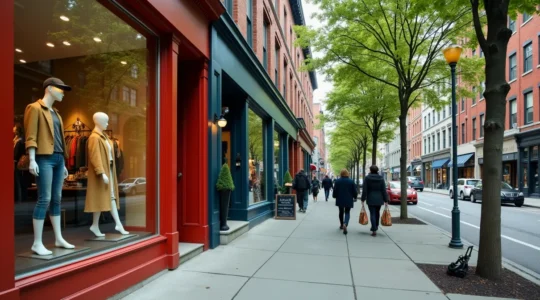
Queen West Shopping: How to Find Local Designers Amidst Global Chains?
Supporting local on Queen West now requires a strategy, not just a stroll; your choices can directly preserve Toronto’s creative soul. Skyrocketing commercial rents are pushing authentic designers to neighbouring areas like Parkdale, changing the face of the core strip….
Read more
Streetwear in Toronto: How to Flip Limited Drops for Profit?
The key to flipping streetwear for profit in Toronto lies in treating it as a calculated financial arbitrage, not a game of chance. Exploit local market inefficiencies and currency fluctuations that global platforms overlook. Strategically choose between platforms like StockX…
Read more
Shopping on the Mink Mile: How to Get VIP Service Without a Million-Dollar Budget
Contrary to popular belief, getting VIP treatment on Toronto’s Mink Mile isn’t about flashing a black card; it’s about strategically signaling your value as a potential long-term client. Sales associates profile customers based on economic pressure and potential “Client Relationship…
Read more
Shopping in Toronto vs. Buffalo: Is the Cross-Border Trip Still Worth It?
With a fluctuating exchange rate, the financial case for cross-border shopping is no longer a given; it’s a precise calculation. The true cost of a US purchase includes hidden variables like an average 2.5% foreign exchange fee and non-recoverable sales…
Read more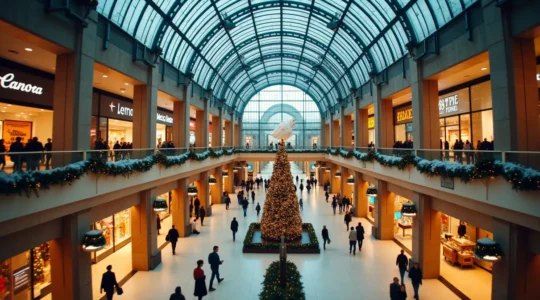
Eaton Centre Holiday Rush: A Tactical Guide to Efficient Shopping
In summary: Treat your shopping trip as a tactical mission, not a casual outing. Utilize underground PATH connections and alternative parking (Green P) to bypass surface-level congestion. Divide the mall into operational zones (North vs. South) to execute targeted purchases…
Read more